

The internet has an identity problem, and it stopped being a future concern on April 17, 2026.
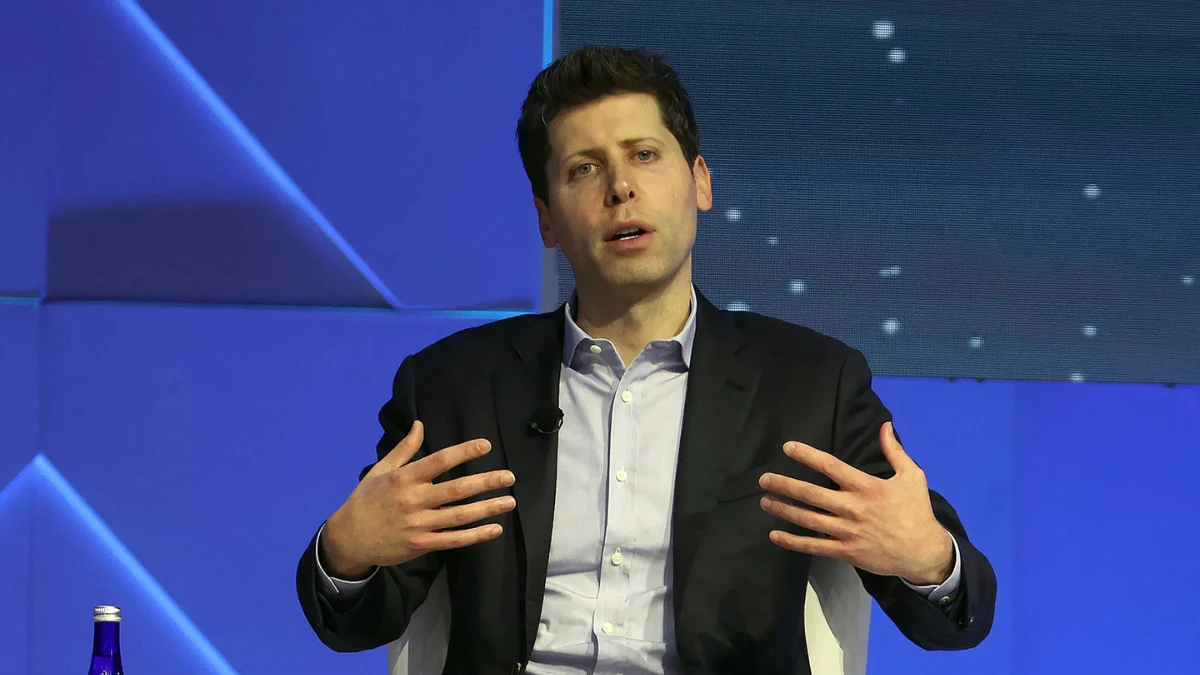
That is when Sam Altman’s digital identity project World unveiled World ID 4.0 at its Lift Off event in San Francisco, announcing what the company calls “full-stack proof of human” infrastructure. The launch carried a list of integration partners that signals mainstream arrival: Zoom, Tinder, DocuSign, Shopify, Okta, and Vercel. These are not crypto-native platforms. They are the apps where hundreds of millions of people work, date, sign contracts, and build software every day.
The timing was deliberate. Crypto investment firm Pantera Capital put the underlying reality plainly this week: we have reached an inflection point where AI generates more information than humans. Distinguishing agents from humans, they argued, is now a critical moat for trust online.
What World ID 4.0 Actually Does
At its core, World ID uses a proprietary device called the Orb, a spherical iris scanner, to generate a unique cryptographic identifier for each verified human. The iris images are deleted after processing. What remains is an anonymous proof of personhood that can be used across integrated platforms without exposing personal data, using zero-knowledge cryptography.
World ID 4.0 introduces a redesigned account-based architecture for portable credentials across apps, key rotation and recovery, multi-device sessions, single-use anonymity nullifiers, and an open-source SDK that lets any developer integrate proof of human into their platform. The World ID app launches in public beta alongside the protocol.
The most consequential new addition is AgentKit, first launched in March 2026 in partnership with Coinbase and Cloudflare. AgentKit allows AI agents to carry cryptographic proof they are backed by a verified human, so platforms can distinguish a legitimate agent from rogue automated traffic. Platforms can cap usage per verified human, regardless of how many agents are deployed on their behalf.
The Tinder integration brings human verification to US dating app users, rolling out globally after a successful Japan pilot. Zoom’s integration uses a three-way biometric match to confirm the person on a video call is the verified human expected, addressing deepfakes in meetings. DocuSign’s adoption targets identity fraud in digital document signing. World ID 4.0 now has 18 million verified users across 160 countries, with over 150 million credential uses recorded.
There are other approaches emerging. Early-stage tools focused on AI content detection are beginning to appear, taking a different route to the same problem by flagging synthetic content rather than certifying human identity. None carry the infrastructure depth or enterprise partnerships that World is now assembling.
The Conflict Nobody Is Talking About
The market’s response to the April 17 announcement was revealing. Worldcoin’s native token WLD fell approximately 10% on the day, even as the broader crypto market rose. That divergence is not a verdict on whether the problem is real. It is a verdict on whether the market trusts this particular solution from this particular founder.
Sam Altman is the CEO of OpenAI, the company whose AI tools are among the primary drivers of the content authenticity crisis that World ID 4.0 is designed to address. The same person whose products helped flood the internet with synthetic content is now building the passport system that verifies you are real enough to use it. That tension has not disappeared because the product is technically sophisticated.
Why This Matters for AI and Data Professionals
For AI and data science professionals, the emergence of proof of human verification as a serious infrastructure category has direct implications. If Zoom and Tinder normalize iris-based identity verification, the expectation will spread into enterprise software, financial services, healthcare, and government platforms. Developers building agentic systems will need to consider human-linkage from the start, not as an afterthought.
The deeper question World ID 4.0 forces is not technical. In a world where AI agents act, transact, and communicate indistinguishably from humans, who gets to define what a verified person means online, and who gets to be the authority that issues that credential?
Sam Altman has a clear answer. The internet is still deciding whether to trust it.
