


Technology continues to reshape how industries operate, raising expectations for speed, accuracy, and performance. From automation on factory floors to advanced analytics powered by artificial intelligence, innovation is setting new benchmarks. The freight transportation sector is experiencing this shift as well, with telematics emerging as one of the most influential tools transforming modern fleet operations.
What Telematics Really Means
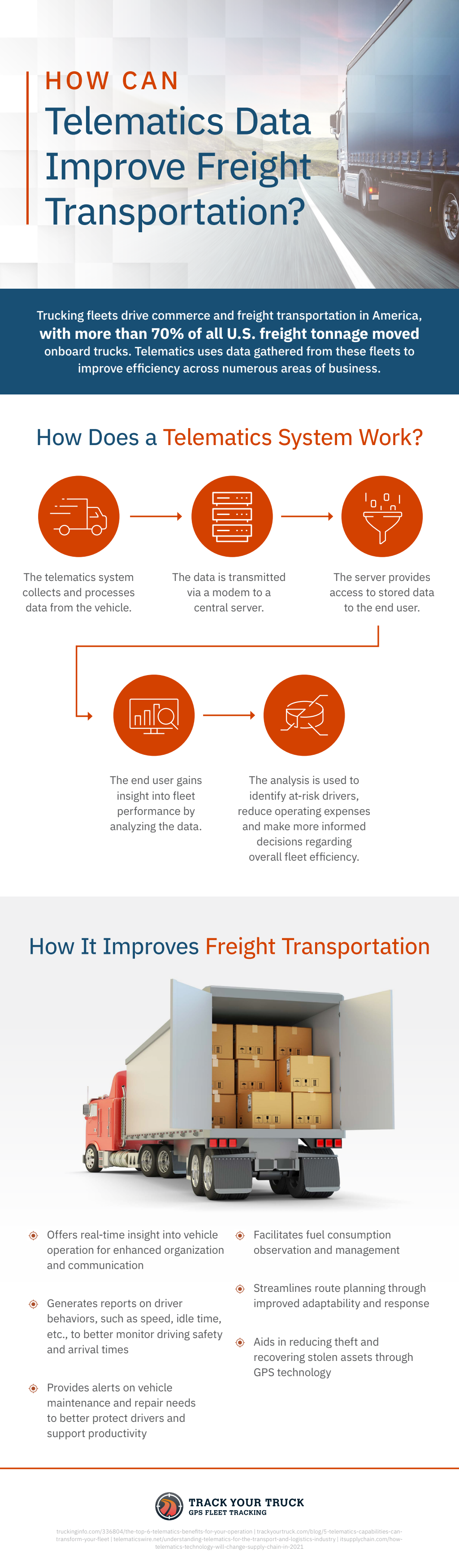
Telematics brings together communication technology and data analysis to capture real-time information from vehicles. Within freight and logistics, it refers to digital systems that use GPS and onboard sensors to monitor vehicle activity, performance metrics, and driver behavior.
These systems collect detailed data points such as fuel usage, engine health, location tracking, route progress, and braking habits. That information is transmitted to centralized platforms where fleet managers can review trends and identify opportunities for improvement. With clearer visibility into daily operations, teams can make smarter decisions that support safety, cost control, and reliability.
Often described as fleet or vehicle telematics, the goal remains the same regardless of terminology: provide timely, actionable insights that strengthen overall fleet performance.
Improving Day-to-Day Fleet Operations
Telematics plays a critical role in enhancing both efficiency and safety. By analyzing driver behavior, managers can spot patterns like speeding, hard braking, or extended idling. This insight supports targeted coaching, encourages safer driving practices, and helps reduce accidents, violations, and insurance costs. Over time, it promotes a stronger culture of responsibility across the fleet.
Predictive maintenance is another major benefit. Continuous diagnostic monitoring allows potential mechanical issues to be identified early, before they lead to breakdowns or delivery delays. Proactive repairs help extend vehicle lifespan, minimize unplanned downtime, and keep freight moving as scheduled.
Telematics also supports compliance efforts by tracking driver hours, documenting routes, and maintaining accurate service and inspection records. In the event of audits, disputes, or incidents, this data serves as reliable documentation that protects both drivers and fleet operators.
Together, these capabilities lead to more dependable operations. Reduced downtime, improved driving habits, and consistent performance all contribute to higher service quality and lower operating costs.
The Industry-Wide Move Toward Smarter Logistics
Telematics adoption continues to accelerate across the global logistics landscape. Large freight carriers and smaller regional fleets alike are using the technology to gain clearer insights and tighter control over their operations.
As telematics platforms evolve, they are increasingly paired with artificial intelligence, automation, and predictive analytics. This integration allows companies to move beyond reactive decision-making and toward proactive planning. Instead of responding to issues after they arise, fleets can anticipate challenges and adjust strategies in advance.
Today, telematics is far more than a location-tracking solution. It has become a core component of modern fleet management, helping transportation companies operate with greater precision, sustainability, and confidence.
For more information on telematics and how it can be used to improve operations, please see the accompanying resource from Track Your Track, a vehicle tracker company.
